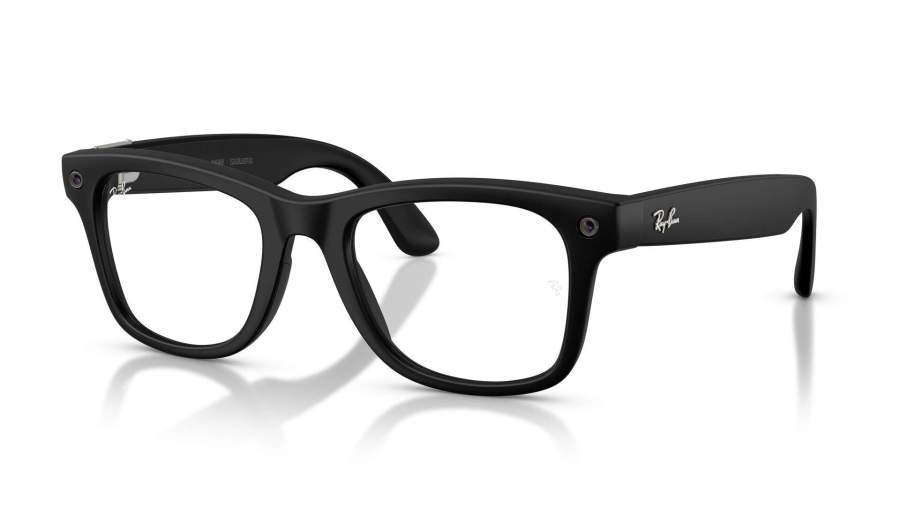
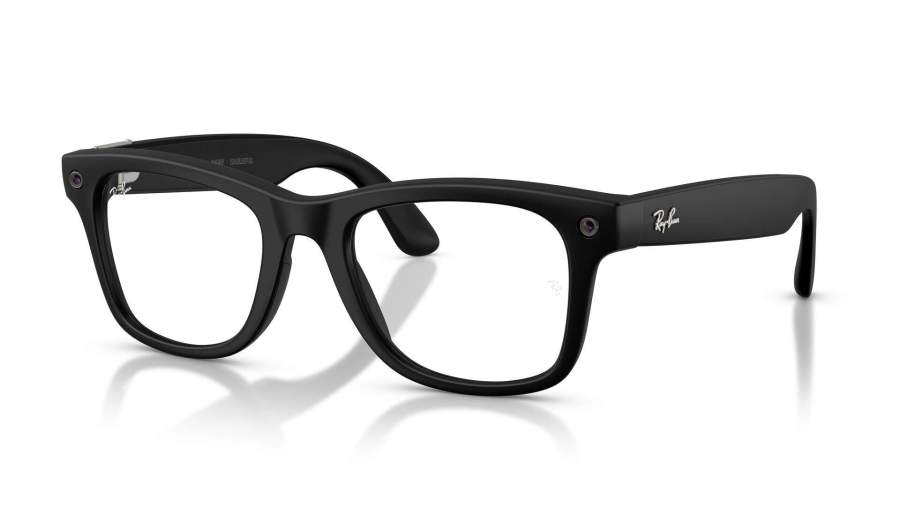
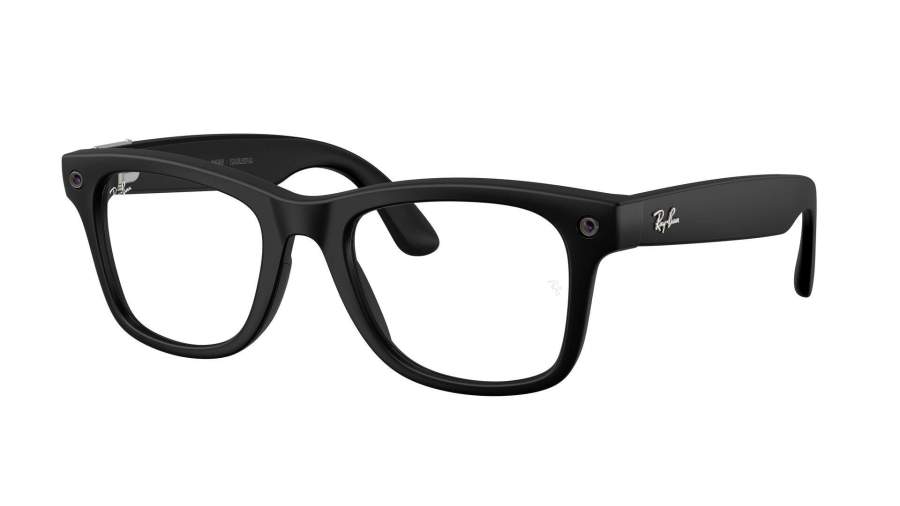
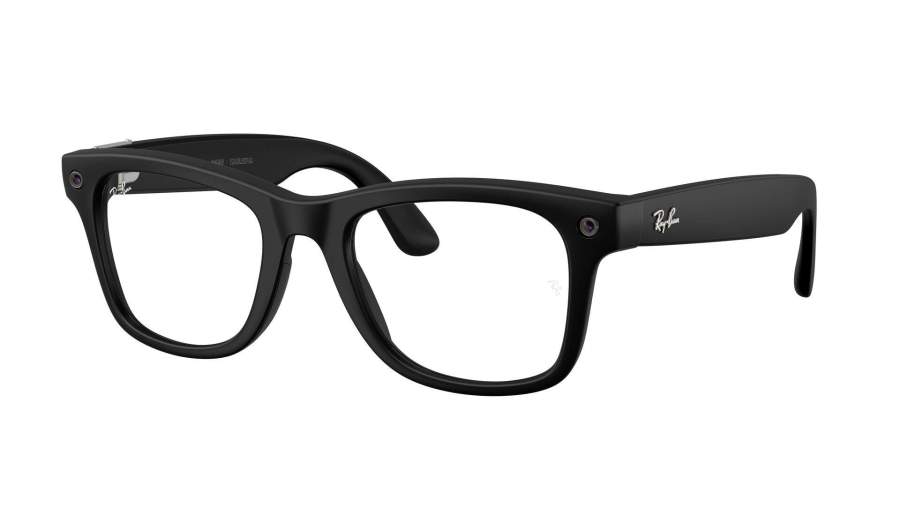
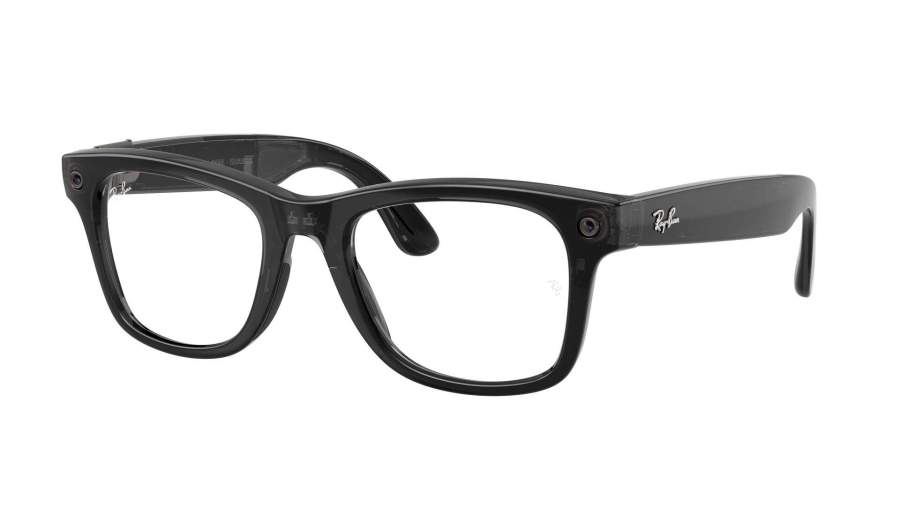
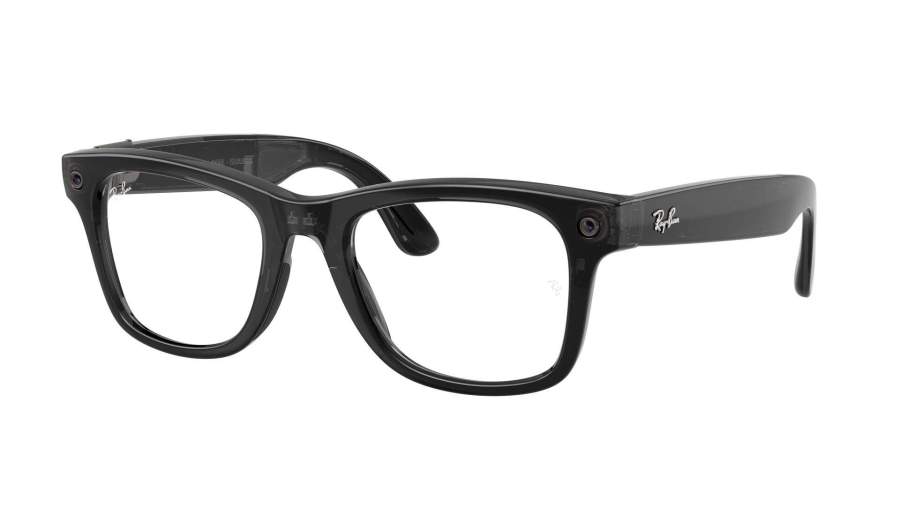
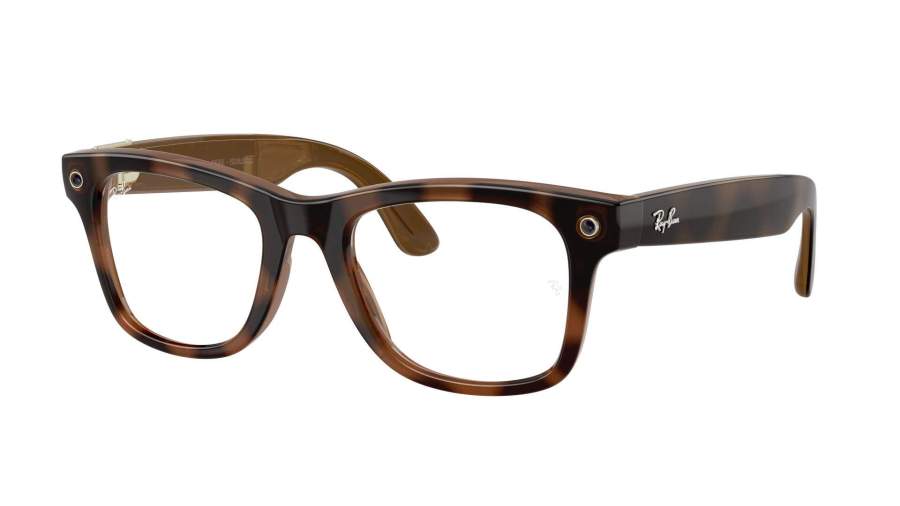
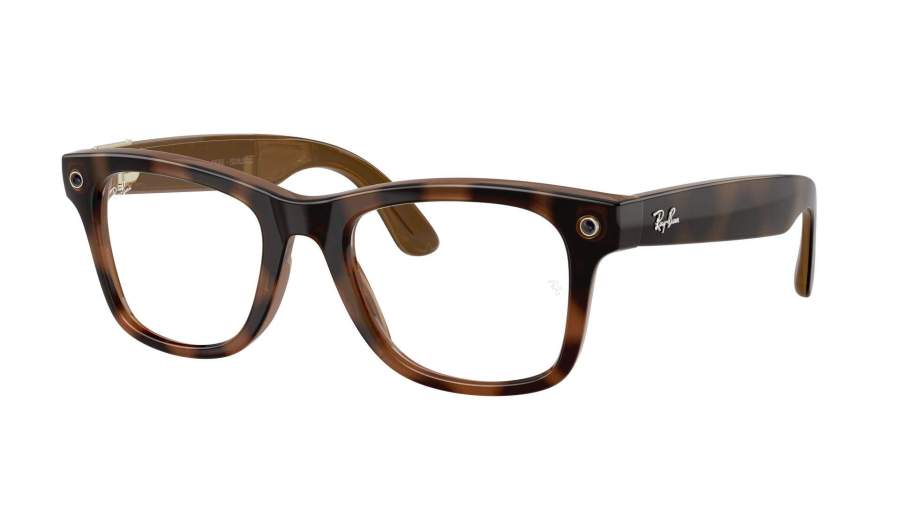
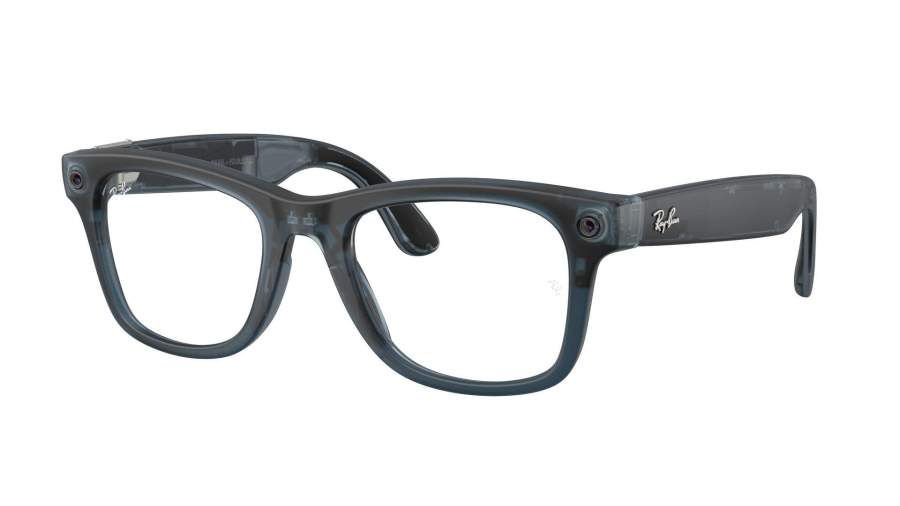
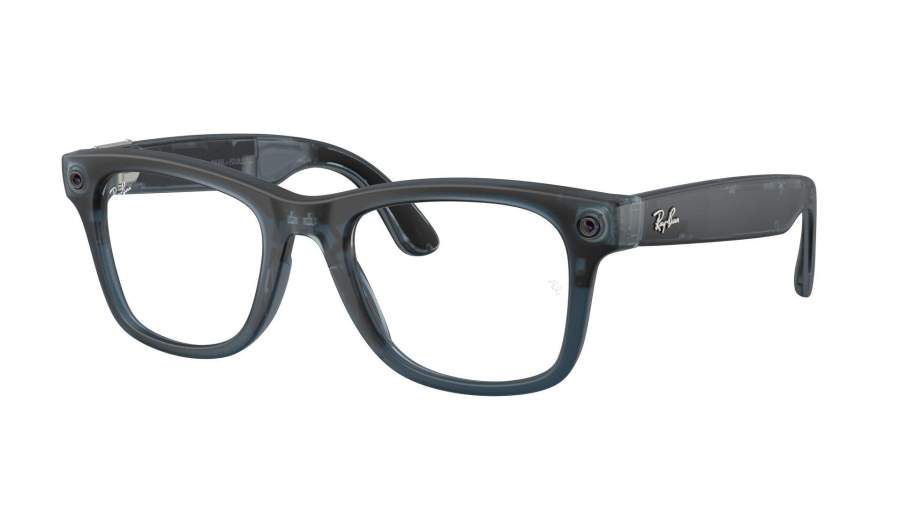
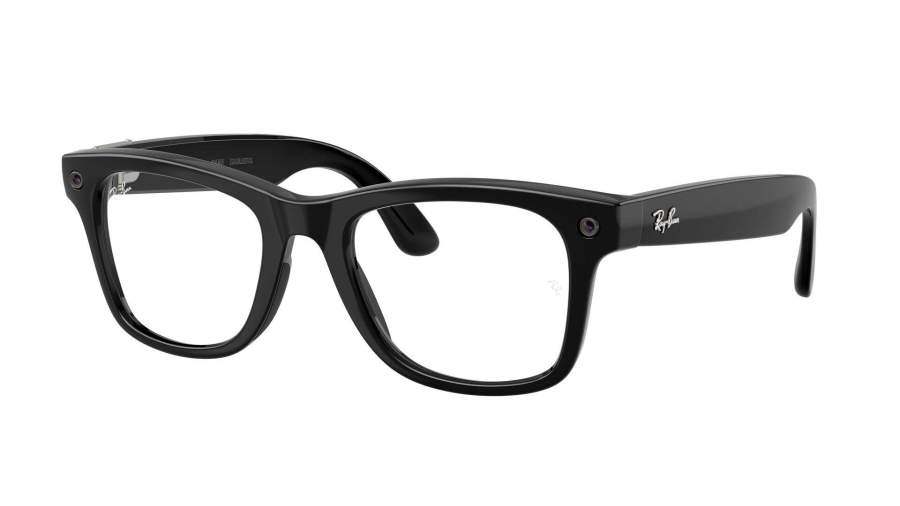
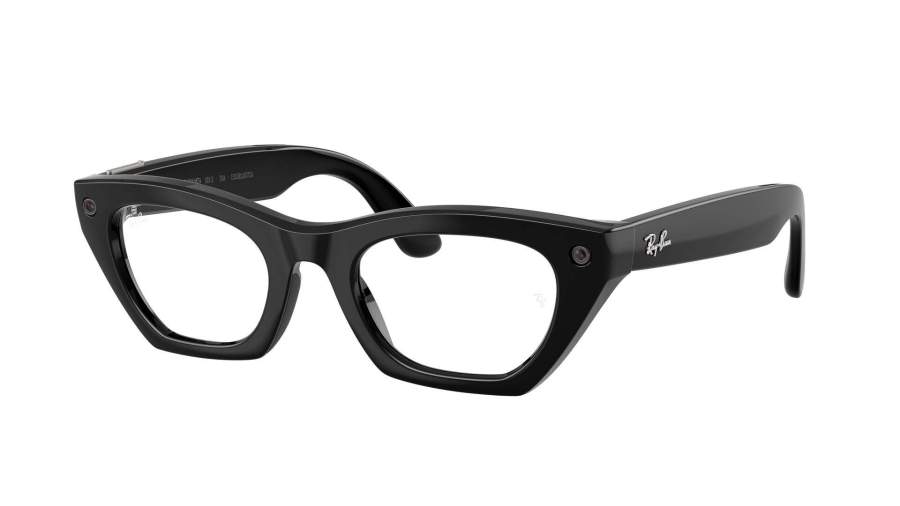
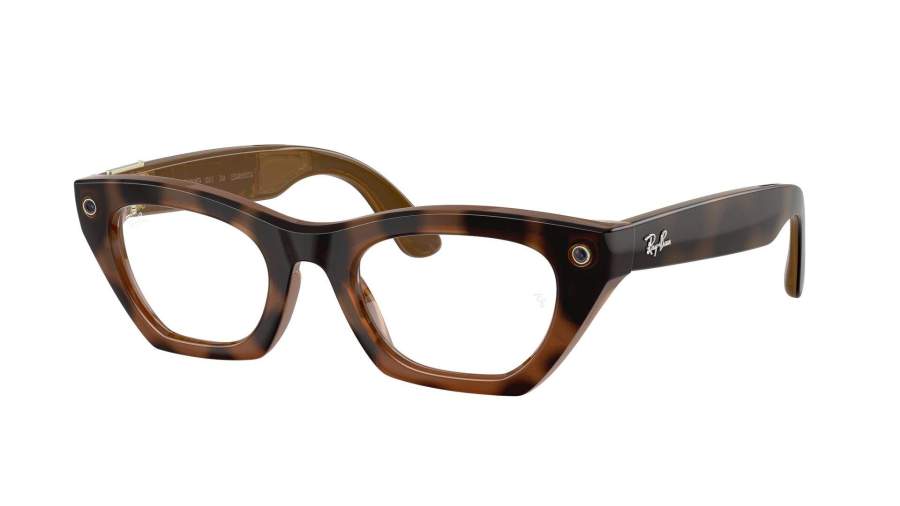
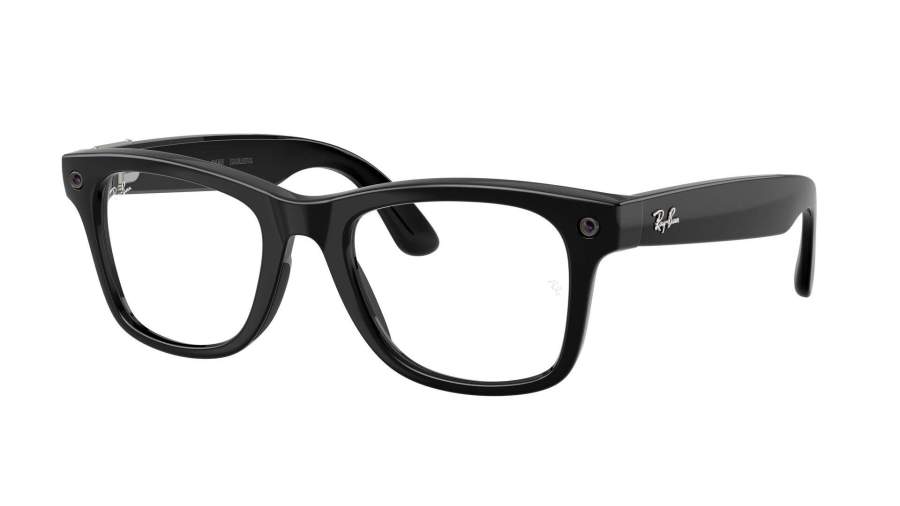
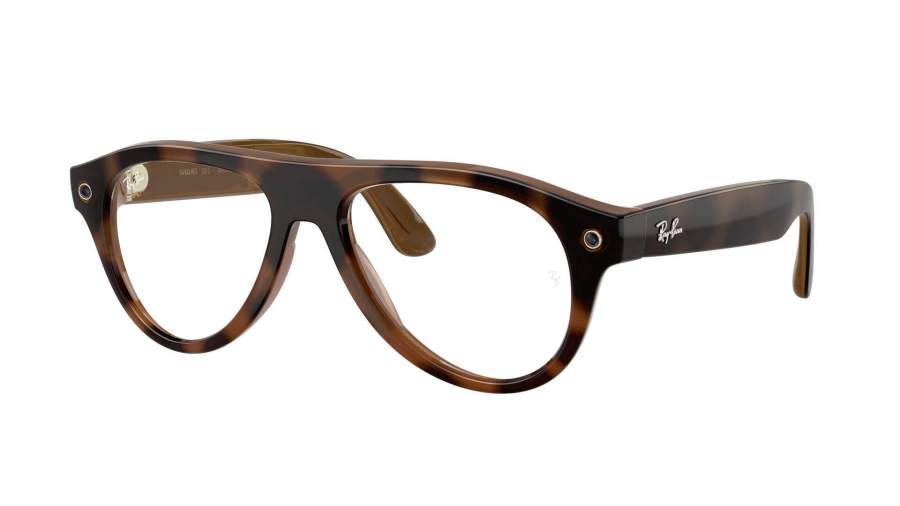
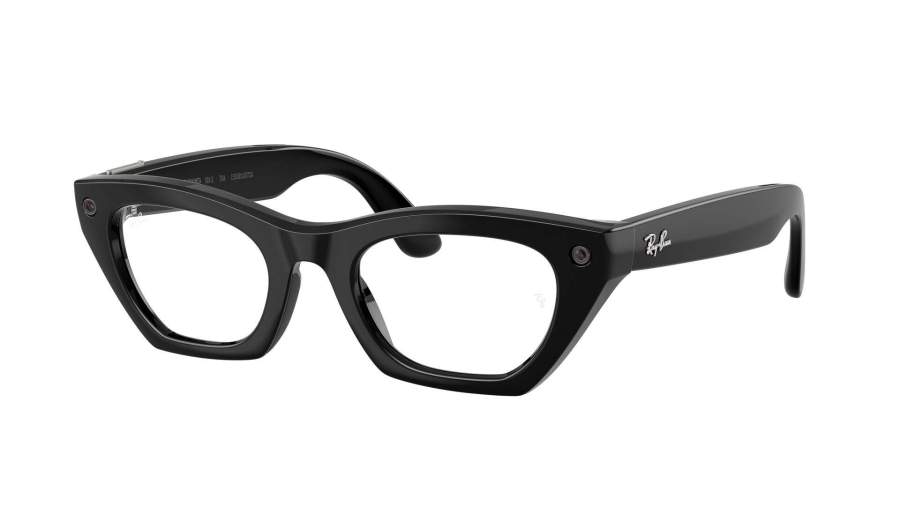
The Ray-Ban Meta prescription glasses are not a new category of eyewear in the traditional sense. They are connected glasses from Ray-Ban and Meta, to which you can fit lenses adapted to your prescription. The camera is installed on the front, while the speakers, microphones and electronics are housed in the temples. No screen in front of your eyes: features rely on voice, audio and the camera.
The range now includes two generations. The Ray-Ban Meta Gen 2 are notably available in an optical version with the Scriber and Blayzer. The new Ray-Ban Meta Gen 3 keeps the architecture of the previous generation but improves several technical points, with a claimed increase in battery life, six microphones, and a more discreet integration of the camera. For glasses wearers, the choice therefore comes down to the available models, their shape, and the prescription options.
Ray-Ban Meta Scriber and Blayzer: Gen 2 prescription glasses
The Scriber and Blayzer let you wear Ray-Ban Meta Gen 2 with prescription lenses. You get the same operation as the range launched by Ray-Ban and Meta: a 12 MP camera, five microphones, speakers integrated into the temples, and a connection to your smartphone. The whole thing remains close enough to a classic pair of glasses to be worn every day, which is precisely the point of the concept.
The camera is used to take photos and record in 3K Ultra HD. The speakers let you listen to music, podcasts, or make calls without adding earbuds. The microphones are used for conversations but also for voice commands. The glasses are paired with the Meta AI app, which is used in particular for setup and for managing captured content.
Ray-Ban Meta Gen 3: an evolution of the formula
The Ray-Ban Meta Gen 3 doesn’t completely change Ray-Ban’s connected glasses. Meta has instead worked on several elements that become important when the glasses are used for several hours a day. Claimed battery life increases to 9 hours, compared with 8 hours for Gen 2, and the new generation gets six microphones.
This evolution also affects audio capture. Meta claims a reduction of more than 90% in background noise in certain situations, with an obvious goal for calls and interactions with the voice assistant. The camera remains 12 MP and still records up to 3K Ultra HD. Gen 3 adds Dynamic Photos, which let you select the best image from a sequence captured with the glasses.
The camera is also more discreet. Its opening, as well as that of the associated indicator light, is reduced by 36% compared with the previous generation. Gen 3 also features a new customizable action button, which can in particular be set up to access Meta AI.
Meta AI and Meta Glasses AI
The artificial intelligence component is taking an increasingly important place in Ray-Ban Meta. With Meta AI, you no longer need to handle your phone to use certain features. You simply talk to the glasses to call on the assistant and, depending on the available features, ask a question, request information, or launch an action.
The term Meta Glasses AI therefore refers less to a distinct technology than to a set of AI features accessible from the glasses. Availability may change depending on the country, language, and software updates. The smartphone is still required for setup and for certain functions, as Ray-Ban Meta does not include any screen.
Prescription lenses on your Ray-Ban Meta
For someone who wears glasses, the benefit is quite simple: not having to switch pairs to use connected features. The Ray-Ban Meta optical version can be fitted with lenses made to your prescription, with the different options available for the chosen frame—whether Ray-Ban lenses or BBGR lenses.
Lens selection is done like with a classic pair of glasses, based on the prescription and intended use. Depending on the model and configuration, treatments such as anti-reflective coating or photochromic lenses may be offered.
Music and calls without earbuds
The speakers built into the temples deliver sound without blocking your ears. You can listen to a track, follow a podcast, or answer a call while still hearing what’s happening around you. The microphones then take over for conversations and voice commands.
On Gen 3, the move to six microphones and the claimed improvement in noise reduction are particularly interesting for this use. It’s less visible than a design change, but it directly affects calls and everyday interactions with Meta AI.
The camera still at the heart of the concept
A press on the frame lets you take a photo or start a video without taking out your phone. Ray-Ban Meta is therefore particularly practical when you want to keep your hands free: while traveling, on a walk, at an event, or simply to capture a moment as you see it.
Gen 2 and Gen 3 use a 12 MP camera and record videos up to 3K Ultra HD. Photos and videos are then retrieved on the smartphone. With Gen 3, Dynamic Photos complement this feature by making it possible to keep the best image from a sequence.
Scriber, Blayzer or Gen 3: which Ray-Ban Meta for prescription use?
The Scriber and Blayzer are the main references to consider on the Ray-Ban Meta Gen 2 side in an optical version. Gen 3 brings the improvements of the new generation, but the choice isn’t limited to a spec sheet. For glasses you’ll wear every day, the shape, frame size, and compatibility with your prescription remain decisive.
A pair of Ray-Ban, with no screen in front of your eyes
Ray-Ban Meta does not aim to replace a smartphone with a screen placed in front of your eyes. There is no display and no augmented reality. The camera looks in the same direction as you, the speakers play sound through the temples, and the microphones pick up your voice. For everything else, the Meta AI app and the phone take over.
This is what allows Ray-Ban Meta connected glasses with AI to remain fairly close to a traditional pair of glasses. Once you’ve chosen the frame and fitted lenses adapted to your vision, the technology mostly fades into the background until the moment you need it.
Ray-Ban Meta prescription glasses at Visiofactory
At Visiofactory, Ray-Ban Meta models offered in an optical version can be fitted with lenses matching your prescription, depending on each model’s possibilities. You first choose the frame, then the characteristics of your lenses, just like with a traditional pair of prescription glasses.
The Ray-Ban Meta Gen 2 Scriber and Blayzer make it possible to switch to connected glasses without giving up your usual prescription. The Ray-Ban Meta Gen 3, for its part, brings the latest improvements to the range, with longer battery life, six microphones, a more discreet camera, and the new features linked to Meta AI and Dynamic Photos.